
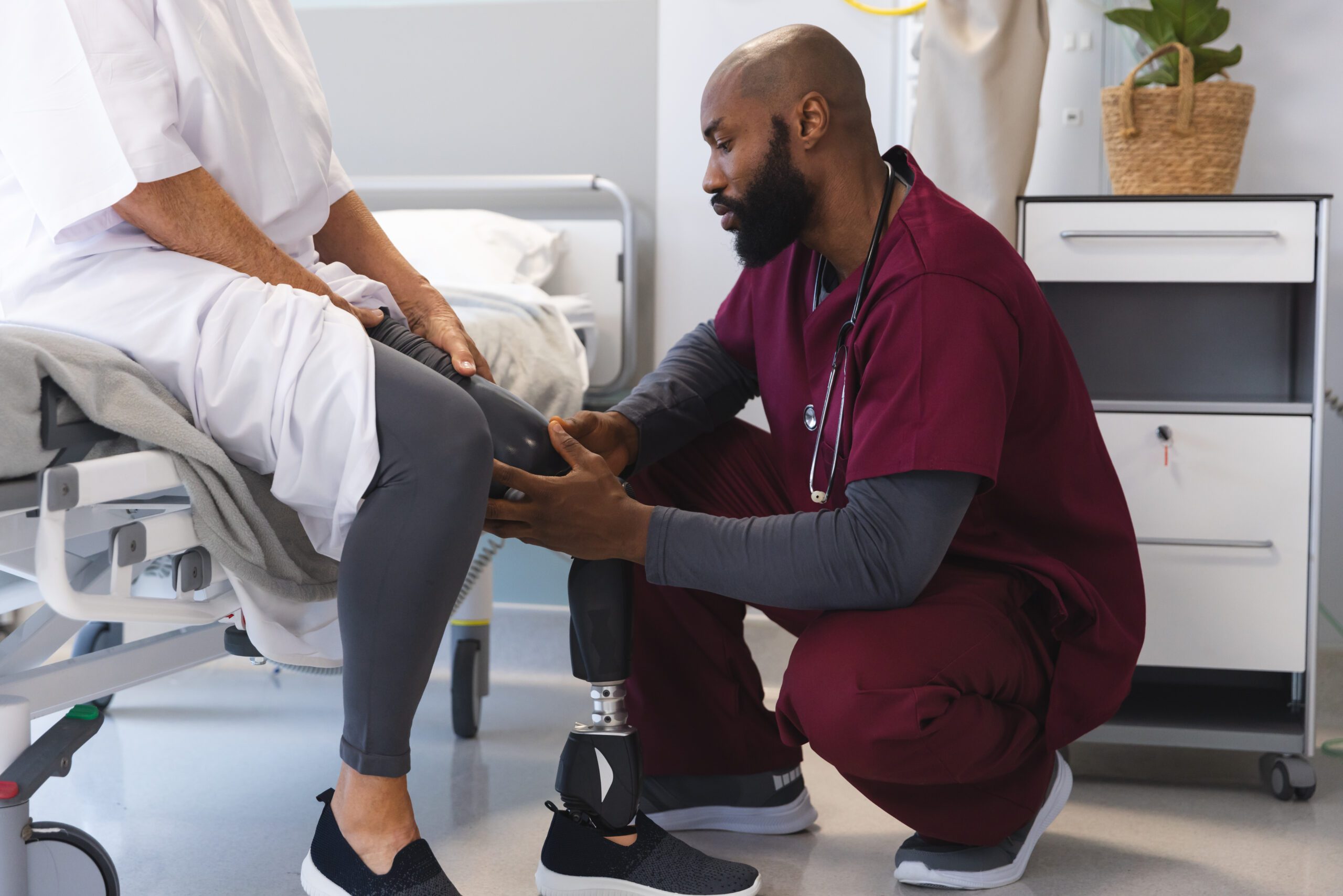
As colder weather settles across Arkansas, everyday routines start to shift. If this is your first winter using a prosthetic device, a little preparation can go a long way in keeping you comfortable, confident, and mobile all season long. Small adjustments to your winter routine can have a meaningful impact on prosthetic comfort and mobility.
At UMES, our team understands how seasonal changes can affect prosthetic fit and performance. Our prosthetic specialists in Jacksonville, AR are here to share practical tips and help you navigate your first winter as a prosthetic wearer with confidence.
Changes in Prosthetic Fit During Winter
Cold weather can affect prosthetic fit in ways that aren’t always obvious at first. Lower temperatures can reduce blood circulation, which may cause subtle changes in the volume of your residual limb throughout the day. You might notice a tighter fit during colder mornings, with the socket gradually feeling looser as your body warms up and your limb becomes more active.
While these fluctuations are normal, they can lead to discomfort or reduced stability if they aren’t properly managed. Monitoring fit during the winter months is important. Periodic adjustments, sock management, and professional check-ins can help ensure consistent comfort and mobility. Our prosthetic specialists serving Bentonville, AR can assist with fine-tuning fit as seasonal changes occur.
Winter Skin Care for Prosthetic Wearers
Arkansas winters can dry out skin quickly, which is especially important to consider when wearing a prosthesis. Dry skin can increase friction inside the socket and raise the risk of irritation. Inspect your skin daily for redness, cracking, or sore spots—particularly in areas where pressure is highest. If irritation persists, it’s important not to ignore it or push through discomfort.
Using a clinician-recommended moisturizer can help maintain skin health. Apply it at night or well before donning your prosthesis so it has time to fully absorb and doesn’t interfere with liner grip or suspension.
How Cold Temperatures Affect Prosthetic Materials
Cold temperatures can also impact prosthetic materials. Liners, suspension components, and other materials may feel more stiff in colder conditions. If your prosthesis is stored in a cold environment overnight, you may notice that donning feels more difficult or that comfort improves only after the device warms up.
Whenever possible, store your prosthesis and liners at room temperature to help maintain flexibility and performance. If you notice new rubbing, stiffness, or changes in function, scheduling a checkup can help prevent minor issues from becoming larger concerns.
Practical Winter Tips for Prosthetic Wearers
A few simple habits can help protect comfort and mobility throughout the colder months:
● Store liners indoors during winter
● Rotate liners regularly to allow them to dry fully
● Adjust prosthetic socks to accommodate daily volume changes
● Moisturize skin consistently to prevent dryness
● Pay attention to new pressure points or changes in fit
Seasonal Support from UMES
Winter doesn’t have to disrupt your comfort or mobility as a prosthetic wearer. With attentive care and timely adjustments, it’s possible to stay active and comfortable even as temperatures drop.
Noticing changes in fit or comfort this winter? The UMES team offers prosthetic care and support at four locations across Arkansas, making it easier to get the guidance
